How Much Does It Cost to Paint a House in Melbourne?
Most cost guides you’ll find online use American pricing in square feet, which is no help at all when you’re getting quotes from Melbourne painters. This guide uses real Australian figures in square metres and Australian dollars, based on the jobs we actually quote across Melbourne.
Painting is one of the more affordable ways to lift a property’s appearance and protect it from Melbourne’s weather. But quotes for the same house can vary widely, and understanding why helps you tell a fair price from a corner-cutting one.
What Melbourne House Painting Actually Costs
These are the ranges we quote for typical Melbourne homes. Your exact price depends on the factors covered further down.
Interior painting: $2,000 – $8,000 for an average home. A single room typically sits at the lower end; a full home interior with ceilings, trim and doors sits at the upper end.
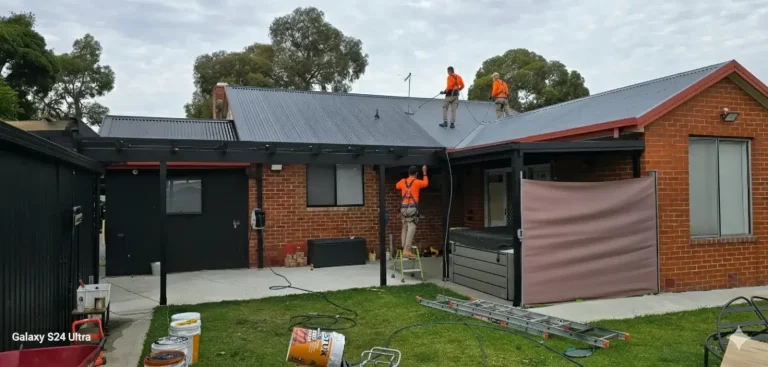
Exterior painting: $5,000 – $15,000 depending on size, surface type and how much preparation and repair work is needed. Weatherboard usually costs more than brick because of the timber repair and priming involved.
Roof painting: $4,000 – $12,000. Worth putting in context — roof replacement runs $15,000 to $35,000, and painting adds 10 to 15 years to an existing roof.
Epoxy flooring: $30–$40 per m² for standard, $50–$65 per m² for flake, $80–$100 per m² for metallic.
Why Two Quotes for the Same House Can Differ by Thousands
This is the part most cost guides skip, and it’s the part that actually matters when you’re comparing quotes.
Preparation is roughly 60–70% of a proper paint job. It’s also invisible once the job is finished, which is exactly why it’s the first thing cut when someone quotes suspiciously low. A quote that doesn’t itemise preparation is not a cheaper job — it’s a different job.
Ask every quote what’s included for:
- Timber rot inspection and board repair on weatherboard homes
- Crack filling and flexible sealing on rendered walls
- Rust treatment on metal surfaces and fixings
- Priming of bare or patched areas
- Number of topcoats (two should be standard, not an upgrade)
What Drives the Price Up or Down
Property size and storeys. More surface area means more paint and labour. Double-storey homes also need scaffolding or elevated access, which adds cost and time.
Surface condition. A home that’s been maintained and repainted every 7–10 years costs far less than one with 20 years of failing paint layers that need scraping back.
Surface type. Weatherboard needs timber inspection, rot repair and full priming. Render needs crack treatment and flexible coatings. Brick needs efflorescence treatment and breathable masonry paint. Each has a different labour profile.
Paint quality. Premium systems like Dulux Weathershield and Taubmans Endure cost more upfront but hold colour and flexibility far longer under Melbourne’s UV load. On a repaint cycle, the cheaper paint usually costs more.
Access and complexity. Steep sites, tight side setbacks, high gables, and heritage detailing all add time.
Colour change. Going from a dark colour to white or a pastel needs a tinted primer coat. Skipping it means the old colour bleeds through within a year or two.
Melbourne-Specific Factors That Affect Cost
Melbourne’s conditions genuinely change what a job requires, and honest quotes reflect that.
Pre-1970 homes may contain lead paint. Lead-based paint was used in Australian homes until the late 1960s. If your home predates 1970 and has not been fully stripped since, safe handling adds cost — but skipping it is a genuine health risk, not just a compliance box.
UV exposure on north- and west-facing walls. These elevations fade and chalk faster. Some homes need a higher-grade system on those walls specifically.
Winter moisture and south-facing walls. Shaded, damp-prone elevations often need mould treatment and a mould-resistant primer before topcoating.
Weather windows. Exterior painting needs dry conditions and suitable temperatures to cure properly. Melbourne’s variability means honest painters build weather contingency into timelines rather than rushing a coat on before rain.
How Long Does House Painting Take?
Timeline affects your disruption more than your budget, but it’s worth knowing:
- Single room: 1–2 days
- Full 3-bedroom home interior: 5–7 days
- Weatherboard exterior: 5–7 days
- Brick exterior: 4–6 days
- Whole home, interior and exterior: 10–14 days
Extensive repairs, significant colour changes, or weather delays extend these.
DIY vs Hiring a Painter
DIY can genuinely save money on a single small room. Beyond that the maths changes: you’re buying or hiring equipment, spending weekends on preparation, and carrying the risk of a finish that fails early and needs redoing.
The jobs worth handing over regardless of budget: anything at height, pre-1970 homes with possible lead paint, active mould that suggests a moisture problem, and exteriors with years of built-up failing paint layers.
How to Compare Painting Quotes Properly
Getting a few quotes is sensible. Comparing them well matters more than comparing many.
- Is preparation itemised? A quote that just says “paint house — $X” tells you nothing about what you are getting.
- How many coats? Two topcoats should be standard.
- What products? A named product line tells you more than “premium paint”.
- Licensed and insured? Ask for public liability insurance details. It protects you, not just them.
- Is there a workmanship warranty? And in writing.
- Are repairs included or extra? Rot, cracks and rust are common — find out before, not mid-job.
A quote that’s dramatically cheaper than the others usually isn’t better value. It’s usually less preparation.
Frequently Asked Questions
How much does it cost to paint a 3-bedroom house in Melbourne?
Interior painting for an average home typically ranges from $2,000 to $8,000, and exterior from $5,000 to $15,000, depending on condition, surface type and preparation required. We provide an exact written price after a free on-site inspection.
Is it cheaper to paint a house in winter?
Interior painting is unaffected by season and is often easier to schedule in winter. Exterior painting is weather-dependent rather than season-dependent — it needs dry conditions and suitable temperatures to cure, which can occur in any season but is more predictable in the warmer, drier months.
How often should a Melbourne house be repainted?
Exteriors generally need repainting every 7–10 years, sooner on north- and west-facing walls with heavy UV exposure. Interiors typically last 10 years or more, with high-traffic areas like hallways and kitchens needing attention sooner.
Does painting add value to a property?
Painting is one of the more cost-effective improvements before a sale, particularly exteriors and roofs, because street appeal strongly shapes buyer perception. The return depends on your property and market, so treat any specific percentage claim with caution.
Do painting quotes include preparation?
They should, but not all do. This is the single biggest reason quotes differ. Always ask what preparation is included before comparing prices.
Get an Accurate Quote for Your Home
Every home is different, and an accurate price needs an actual look at your property — surface condition, access, repairs, and what’s already on the walls.
Gold Premium Coatings provides free on-site inspections and detailed written quotes across Melbourne, itemising preparation, materials and labour so you can see exactly what you are paying for. Licensed, fully insured, and backed by a 15-year workmanship warranty.
Call 0423 550 662 for your free quote.