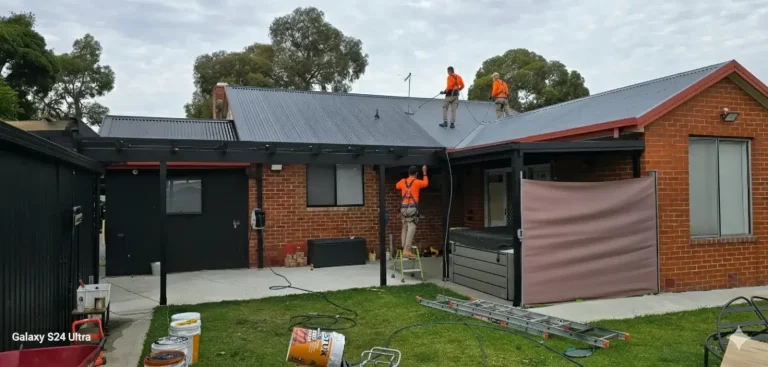
Can You Paint a Brick House? A Melbourne Guide
Yes — brick can be painted, and done properly it transforms a tired exterior. But it is a genuinely permanent decision, and it is one of the few painting jobs where doing it badly causes damage rather than just looking bad.
This guide covers when painting brick is a good idea, when it is not, and what the job actually involves on a Melbourne home.
The Honest Answer First
Painting brick is close to irreversible. Stripping paint off brick is expensive, slow, and often damages the brick face in the process. So the real question is not “can it be done” — it is whether you are certain you want painted brick for the life of the house.
If you are, the results can be excellent. If you are unsure, rendering or simply cleaning the brickwork are worth considering first.
The Breathability Question — and Why Melbourne Matters
Brick is porous by design. It takes on moisture and releases it again, and that cycle is how a brick wall stays healthy. The risk with painting is sealing that moisture in.
Melbourne’s wet winters mean this matters more here than in genuinely dry climates. But it does not mean brick homes in Melbourne should not be painted — it means the coating system has to be breathable.
Breathable masonry paints let water vapour escape while still keeping liquid water out. Standard exterior wall paints and non-breathable coatings are what cause trapped moisture, spalling brick faces, and paint blistering. This is the single most important decision in the whole job, and it is where cheap quotes cut corners.
When You Should Not Paint Brick
An honest painter will tell you when the answer is no. Situations where painting should wait or be avoided:
- Crumbling or spalling brick — where faces are flaking off. This signals a moisture problem that painting will trap and worsen.
- Active rising damp — the underlying cause needs fixing first, not sealing over.
- Heavy efflorescence that keeps returning — the white salty deposit means moisture is moving through the wall. Treat the source first.
- Failing mortar joints — repointing comes before painting, not after.
- Heritage-listed or overlay properties — some Melbourne council overlays restrict painting original face brick. Check before committing.
- Brick under 12 months old — new brickwork needs time to cure and release construction moisture.
How Brick Painting Is Done Properly
1. Assessment
Brick condition, mortar joints, signs of damp, efflorescence, and any previous coatings all get checked. This determines whether the job proceeds and which system suits.
2. Repairs and repointing
Cracked bricks are replaced and failing mortar is repointed. Painting over deteriorating mortar just hides a problem that keeps developing underneath.
3. Cleaning
High-pressure cleaning removes dirt, mould, lichen and loose material. Efflorescence is treated specifically rather than just washed — if salts remain, they push through the new coating.
4. Full drying
Brick holds a lot of water after cleaning. It needs to dry thoroughly before any coating goes on — typically several days, and longer in Melbourne winter. Rushing this step is the most common cause of early failure on brick.
5. Masonry primer
A masonry-specific primer seals the surface, evens out the porosity between bricks and mortar, and gives the topcoat a consistent base to bond to.
6. Two topcoats of breathable masonry paint
Two coats of a breathable acrylic masonry system, applied to the correct film thickness. Coverage on brick is heavier than on smooth render because of the texture and mortar joints.
Choosing Colours for Painted Brick
Lighter colours reflect heat and generally hold up better against Melbourne’s summer UV load. Darker colours look striking but absorb more heat and tend to show fading sooner, particularly on north- and west-facing walls.
Worth remembering that painted brick reads very differently to face brick from the street. If you are unsure, testing a sample area on a less visible elevation first is a sensible step before committing the whole house.
Maintenance After Painting
Painted brick is genuinely easier to clean than raw brick, but it does become a maintenance item. Once painted, it needs repainting — that is the trade-off for the transformation.
- Expect to repaint roughly every 7–10 years, sooner on heavily exposed walls
- Wash down annually to remove dirt and any mould buildup
- Watch shaded, south-facing walls for mould returning after wet winters
- Address any blistering or flaking promptly — it usually signals a moisture issue worth investigating
Painting vs Rendering vs Leaving It
Painting is the cheapest of the three and the fastest to complete. It changes the look completely but commits you to a repaint cycle.
Rendering costs considerably more and takes longer, but gives a different finish entirely and can be painted or left as coloured render.
Cleaning only is worth considering if the brick itself is in good condition and simply looks tired. A proper clean sometimes achieves more than people expect, and it keeps every option open for later.
What It Costs and How Long It Takes
A brick home exterior typically takes 4 to 6 days — faster than weatherboard because there is no timber repair or extensive priming involved, though drying time after cleaning can extend the overall schedule.
Exterior painting generally runs $5,000 to $15,000 depending on size, condition, access and how much repointing or repair is needed beforehand.
Frequently Asked Questions
Can painted brick be returned to natural brick?
Not easily. Paint removal from brick is expensive, labour-intensive, and frequently damages the brick face. Treat painting brick as a permanent decision.
Does painting brick cause damage?
It can, if the wrong coating is used. Non-breathable paint traps moisture inside the wall, which leads to blistering and can damage brick faces over time. A breathable masonry system avoids this, which is why product choice matters more here than on almost any other surface.
How long does paint last on brick?
Generally 7 to 10 years before repainting, depending on exposure. North- and west-facing walls that carry heavy UV load typically need attention first.
Can you paint brick in Melbourne winter?
It is possible but harder to schedule. Brick holds moisture after cleaning and needs to dry fully before coating, which takes longer in cooler, damper months. The warmer, drier part of the year gives more reliable results.
What paint should be used on brick?
A breathable acrylic masonry paint over a masonry primer. Standard exterior wall paints are not suitable — they do not allow the wall to release moisture, which is what causes problems later.
Get Your Brick Home Assessed
Whether brick should be painted depends on its actual condition — the state of the mortar, whether there is damp present, and what is already on the surface. That needs a proper look, not a guess.
Gold Premium Coatings provides free on-site inspections and honest advice across Melbourne, including telling you when painting is not the right answer. Licensed, fully insured, and backed by a 15-year workmanship warranty.
Call 0423 550 662 for your free quote.